Our expertise and partner network provide access to materials that meet high-quality standards and solve challenges of any complexity. Here are the main types of textiles and their key areas of application:
1. Industrial Textiles
Industrial textiles play a crucial role in sectors such as construction, manufacturing, and agriculture. These materials are designed to withstand heavy wear and physical stresses, making them indispensable in critical processes.
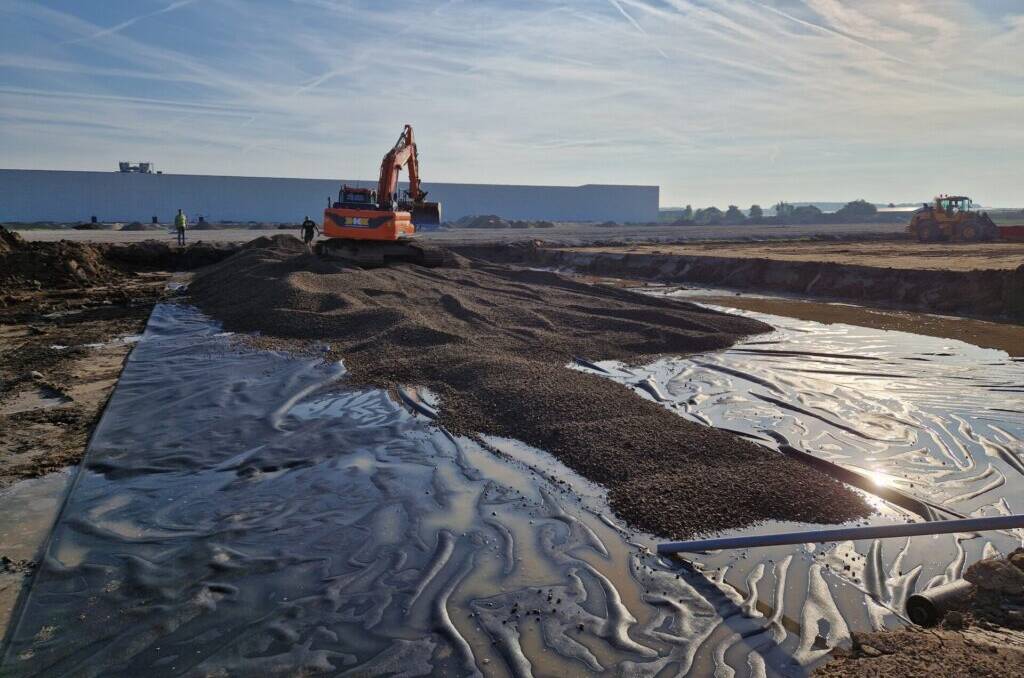
Geotextiles: Used for soil reinforcement and drainage systems.
Conveyor and filtration materials: Ensuring reliability and durability for production lines.
Protective coating: For equipment and other industrial objects.
2. Construction Textiles
Construction textiles provide essential support in building and infrastructure projects, enhancing durability, efficiency, and safety:
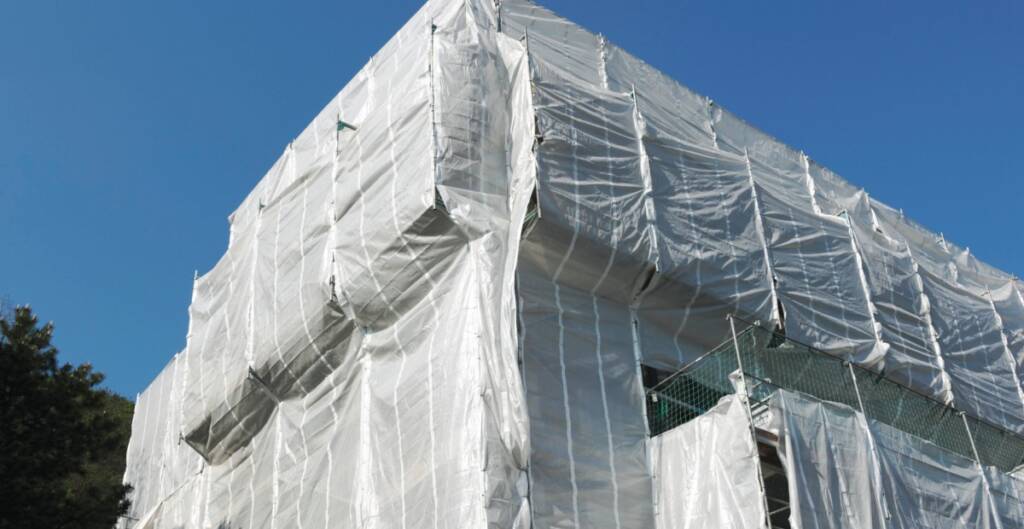
Scaffolding Fabrics: High-strength materials used in scaffolding covers and safety netting for construction sites.
Insulation and Thermal Fabrics: Textiles that improve energy efficiency in buildings by offering heat retention or cooling properties.
Concrete Reinforcement Mesh: Specialized fabrics used to strengthen concrete and prevent cracking.
Waterproofing Membranes: Materials designed to keep construction projects free from water damage, ensuring long-term durability.
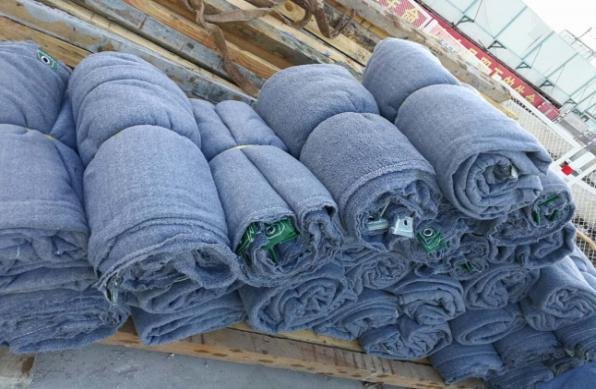
3. Specialized Textiles
For unique and complex tasks, innovative textile solutions meet extreme operating conditions and specific industry demands:
Fire-Resistant Fabrics: Critical for workers in fire-prone industries and protective equipment.
Water-Repellent Materials: Ideal for outdoor and marine applications, ensuring durability under wet conditions.
Antibacterial Fabrics: Designed for medical, domestic, and hygiene-sensitive environments to prevent microbial growth.
UV-Resistant Materials: Protecting outdoor structures, tents, and clothing from sun damage.
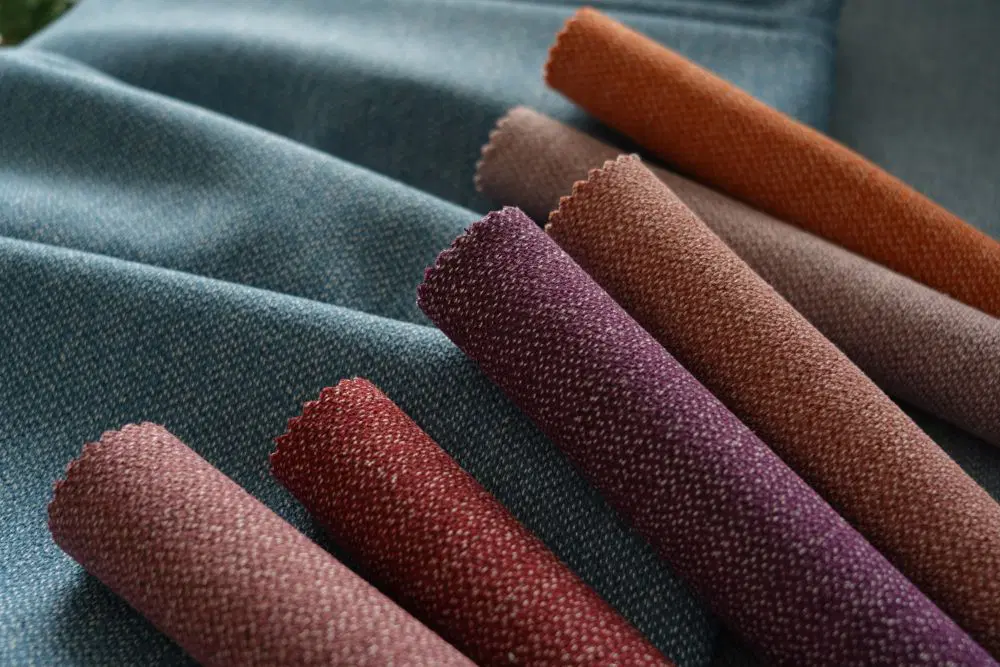
4. Workwear for Constructors
Durable and functional workwear textiles designed for safety and comfort in challenging environments:
High-Visibility Fabrics: Essential for safety vests, jackets, and other PPE to improve visibility in construction zones.
Reinforced Fabrics: Heavy-duty materials for work pants, overalls, and gloves that provide extra protection against abrasion, tears, and harsh weather.
Breathable and Weatherproof Materials: Ensuring comfort during physically demanding tasks in varying climatic conditions.
Flame-Resistant Workwear Fabrics: Protecting workers in fire-prone or high-heat environments.


5. Decorative and Interior Textiles
Textiles that enhance aesthetics and comfort in interior design and home décor:
Upholstery Fabrics: High-quality materials for furniture, ensuring durability and style.
Curtains and Draperies: Decorative textiles for residential and commercial spaces.
Carpets and Rugs: Durable and stylish solutions for flooring.

6. Agricultural Textiles
Designed for durability and functionality in farming and horticulture:
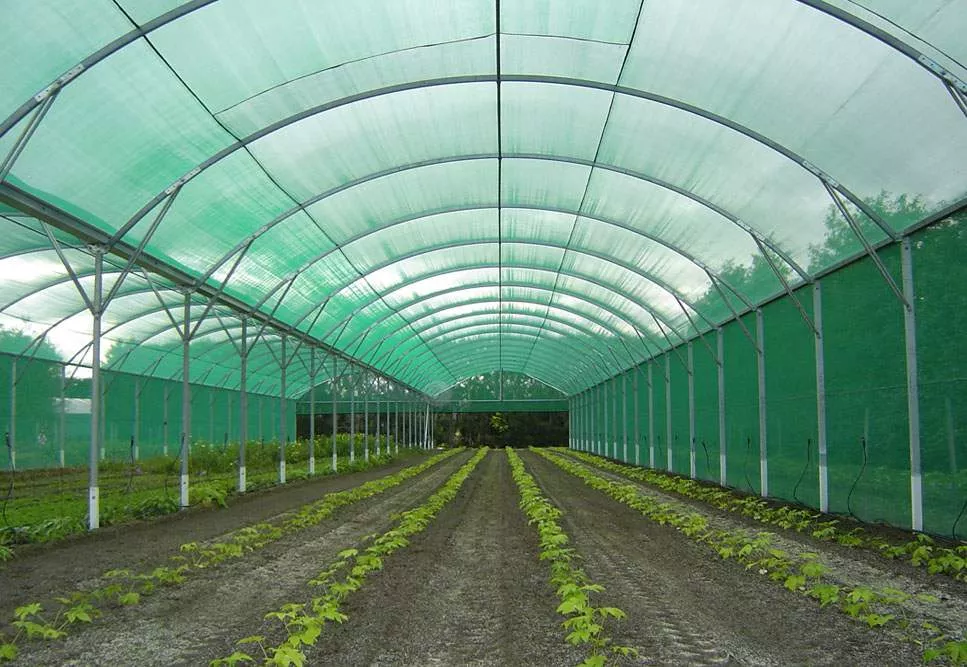
Shade Nets: Protect crops from excessive sunlight and weather damage.
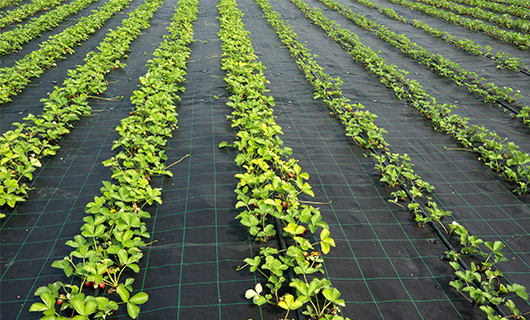
Ground Cover Fabrics: Weed control and soil stabilization for efficient crop growth.
Frost-Protection Textiles: Safeguarding plants during colder months.